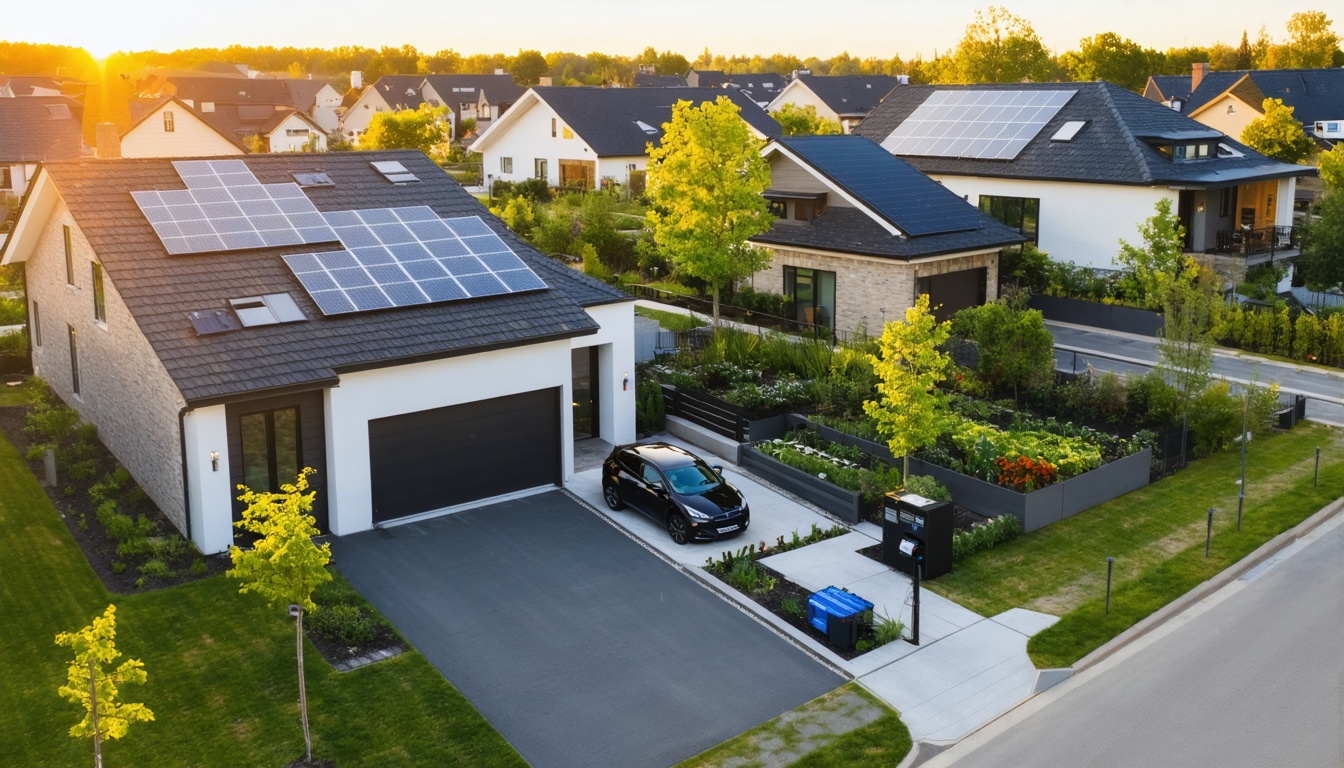
How Solar Energy Helps Households Build a More Sustainable Future
If you are considering making your home more sustainable, solar energy presents a viable option. Implementing solar technology can lead to a reduction in utility bills and a smaller carbon footprint, while also providing homeowners with greater control over their energy usage. The advancements in solar technology have improved efficiency and accessibility, and various financial incentives are currently available to encourage adoption. However, there are several important factors to evaluate before proceeding with solar installation. Homeowners should assess the suitability of their property for solar panels, including roof orientation, shading, and local climate conditions. Additionally, understanding the return on investment, potential financing options, and local regulations regarding solar installations will be crucial in making an informed decision. In summary, transitioning to solar energy can offer substantial benefits but requires careful consideration of various elements to ensure it aligns with a household's specific circumstances and goals.
The Environmental Benefits of Residential Solar Power
Installing residential solar panels contributes to a reduction in a household's carbon footprint by utilizing sunlight as a renewable energy source.
This process decreases reliance on fossil fuels and conventional power grids, which can lead to lower emissions of greenhouse gases and other pollutants that negatively impact air quality.
Solar panels generate electricity with zero emissions during operation, which supports improved air quality and has beneficial effects on ecosystems.
Furthermore, the growth of the solar energy industry can create job opportunities in various sectors, such as manufacturing, installation, and maintenance of solar systems.
As such, the adoption of residential solar power provides access to renewable energy while also potentially promoting economic stability in communities that are transitioning to renewable sources of energy.
Financial Advantages and Long-Term Savings
Investing in solar panels offers a practical financial rationale for homeowners. Residential solar systems have been demonstrated to effectively decrease energy expenses when compared to traditional fossil fuel sources, with some analyses suggesting that the long-term costs of solar energy can be approximately 41% lower.
In addition to reducing energy costs, the availability of tax credits enhances the financial viability of solar energy. These credits lower initial investment requirements and can lead to quicker payback periods for the investment. Homeowners who produce excess energy have the option to sell this surplus back to the grid, which can create additional revenue streams and contribute to long-term financial benefits.
Adopting solar energy not only yields economic advantages for homeowners but also supports environmental sustainability. Solar panels harness renewable energy, which results in no direct emissions of greenhouse gases or pollutants. This potentially improves air quality and contributes positively to climate health.
In conclusion, solar panels can provide significant financial benefits as well as the potential for long-term savings, which may enhance financial security for homeowners who choose to invest in this technology.
Enhancing Energy Independence Through Solar Adoption
The adoption of solar energy can provide greater control over a household's electricity supply while reducing reliance on traditional utility services. By installing solar panels, homeowners can harness solar radiation to generate electricity, which shifts the energy source from fossil fuels to renewable solutions, leading to zero direct emissions during energy production.
Residential solar systems can decrease energy-related expenses and allow homeowners to sell any excess energy generated back to the electrical grid. This practice can contribute to an increase in personal financial stability. Additionally, the use of clean and renewable solar energy can play a role in reducing greenhouse gas emissions and enhancing air quality, which aligns with broader climate change initiatives.
From an economic perspective, the growth of the solar industry is linked to job creation worldwide. Policies such as tax credits may further promote the expansion of this sector, offering a viable avenue towards a more sustainable energy landscape.
Solar Energy’s Role in Supporting Electric Vehicle Usage
The installation of solar panels in residential settings enables the charging of electric vehicles (EVs) using renewable energy. This method decreases dependence on traditional electricity sources, which are linked to greenhouse gas emissions.
By utilizing surplus energy produced by solar panels, particularly during periods of high sunlight, homeowners can reduce their energy expenses while ensuring that their vehicles do not emit direct pollutants.
This shift towards solar-powered electric vehicle charging has environmental benefits, including improved air quality and a reduction in emissions associated with fossil fuel-based electricity generation.
Additionally, incorporating solar energy systems aligns with economic and climate initiatives aimed at promoting sustainability. Government tax incentives for solar installations may further improve the financial feasibility of this option, particularly given the declining costs of solar technology.
In summary, the integration of residential solar energy systems with electric vehicle usage represents a viable strategy for fostering sustainability and supporting economic development, while contributing to efforts to meet global climate objectives.
Overcoming Challenges in Home Solar Implementation
Investing in home solar energy can provide significant long-term benefits; however, it is important to recognize the potential challenges that can arise during the implementation phase. One major challenge is the high upfront cost of installation. Homeowners may find some relief through available tax credits and rebates, including those offered by Pennsylvania Solar Energy Services, which can help reduce these expenses and make solar energy more attainable.
When considering a solar panel installation, an assessment of the roof's orientation and structural integrity is essential, as these factors directly affect the efficiency of the system. Proper evaluation can maximize sunlight absorption, which is critical for optimal energy production.
Moreover, effective energy storage solutions are necessary for storing excess energy generated during peak sunlight hours, ensuring power availability during times without sunlight.
Transitioning away from traditional fossil fuel power systems can lead to improvements in local air quality and contribute to a reduction in greenhouse gas emissions. Additionally, upgrading the electrical grid to integrate solar energy systems is essential for accommodating new residential developments.
Such modernization can promote economic growth and job creation while providing broader access to clean, renewable energy.
In summary, while there are numerous challenges associated with the transition to home solar energy, careful planning and informed decision-making can help homeowners effectively address these obstacles and pursue a sustainable energy solution.
Technological Innovations Shaping the Future of Solar Power
Recent advancements in solar technology are contributing to the evolution of renewable energy systems for residential applications. Innovations such as perovskite and multi-junction solar panels are designed to enhance the efficiency of energy conversion and reduce emissions, thereby optimizing the use of available sunlight. These developments aim to improve power output while adhering to environmental sustainability norms.
Additionally, modern solar installations increasingly incorporate battery systems, which are critical for storing excess energy collected during sunny periods. This storage capacity allows for energy use during non-daylight hours, reducing reliance on fossil fuels and helping to diminish air pollution levels associated with conventional energy sources.
The emergence of building-integrated photovoltaics (BIPV) is another significant advancement, offering a more integrated approach to incorporating solar technology into residential architecture.
This development has the potential to lower installation costs and improve the aesthetic aspects of solar energy systems, which may encourage wider adoption of solar solutions among homeowners.
These technological advancements align with global climate objectives and have implications for job creation within the renewable energy sector.
Furthermore, government incentives, such as tax credits, are becoming more prevalent for individuals and businesses that invest in solar energy systems. These measures support a transition from conventional energy grids to more sustainable options, reflecting a commitment to enhance the utilization of clean energy sources.
Conclusion
Transitioning to solar energy can lead to reduced electricity expenses for households while also contributing positively to environmental sustainability and energy independence. The value of a property may also increase with the installation of solar panels, as they can appeal to potential buyers interested in energy efficiency. Recent advancements in solar technology have enhanced the efficiency and affordability of solar panels, making them a more viable option for homeowners. Additionally, various government incentives, such as tax credits and rebates, are available to support the adoption of solar energy, further reducing the upfront investment required. By adopting solar power, households can contribute to environmentally sustainable practices by decreasing reliance on fossil fuels and reducing greenhouse gas emissions. This shift to renewable energy sources is a critical aspect of efforts to combat climate change. Overall, integrating solar energy into one's home not only provides consistent and clean energy but also aligns with broader goals of sustainability and energy independence.